Ingredient 10 of 11
Zeaxanthin in Nerve Savior: How Much Is in It and What the Research Shows
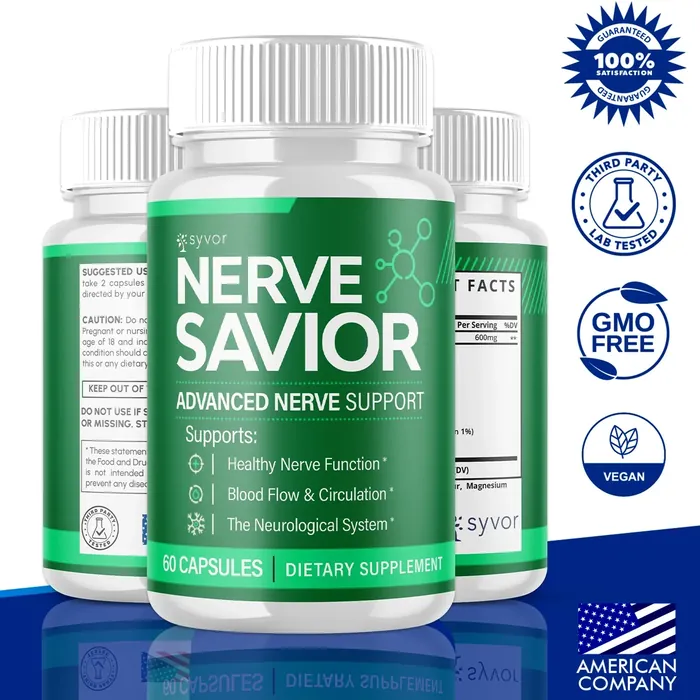
Zeaxanthin is the 10th of 11 ingredients in the Nerve Savior 600 mg proprietary blend. By label math the 5% material weighs at most 60 mg, so the capsules hold at most about 3 mg of zeaxanthin. The National Eye Institute's AREDS2 study used 2 mg a day for an eye disease. No study links zeaxanthin to nerve health.
Written by the Nerve Savior editorial teamUpdated
The basics
What is zeaxanthin?
Zeaxanthin is a yellow-orange plant pigment from the carotenoid family. Supplement makers usually get it from marigold flowers, the same source used for lutein.
In the body, zeaxanthin and lutein gather in the macula, the small spot at the center of the retina that handles sharp, straight-ahead vision. That is why nearly all research on zeaxanthin is eye research. Nerve Savior lists it as "Zeaxanthin (5%)", tenth in its blend.
Every amount in the profile below is a ceiling worked out from label order, because the label prints no amount for any blend ingredient.
| Label name | Zeaxanthin (5%) |
|---|---|
| What it is | Carotenoid from marigold · Plant pigment |
| Position in the blend | 10 of 11 (labels list blend ingredients from most to least by weight) |
| Amount per capsule | Not disclosed; at most 60 mg of 5% material, about 3 mg zeaxanthin |
| Amount used in research | 2 mg a day in the AREDS2 eye study |
| Strength of evidence | Studied for eyes (AMD), not nerves |
| Why it is used | Eye pigment paired with lutein |
| Main caution | AREDS2 tested it for people with intermediate AMD only. |
Label math
How much zeaxanthin is in Nerve Savior?
The label does not say. What we can say is that it holds no more than about 3 mg of zeaxanthin per 2-capsule serving, and possibly far less.
The reason is simple arithmetic. FDA rules say blend ingredients must be listed from most to least by weight (FDA, Labeling Guide Ch. IV) (FDA, Small Entity Labeling Guide). Zeaxanthin sits tenth, so the nine ingredients above it each weigh at least as much. Ten equal shares of 600 mg would be 60 mg each, and zeaxanthin cannot be bigger than an equal share. The "5%" most likely means the raw material is 5% zeaxanthin, and 5% of 60 mg is 3 mg.
| Pigment | Label position | Raw material, at most | Pure pigment, at most | AREDS2 daily dose |
|---|---|---|---|---|
| Lutein (5%) | 5 of 11 | 120 mg | About 6 mg | 10 mg |
| Zeaxanthin (5%) | 10 of 11 | 60 mg | About 3 mg | 2 mg |
Unlike lutein, zeaxanthin's ceiling sits a little above its AREDS2 dose. But if the maker used 20 mg of 5% material, the capsules would hold just 1 mg. The only floor is the green tea extract listed after it, which has no printed amount either.
Evidence
What does research show about zeaxanthin?
The best-known evidence comes from AREDS2, a large eye study run by the National Eye Institute. It tested a formula with 2 mg of zeaxanthin and 10 mg of lutein in people who already had intermediate or advanced age-related macular degeneration (AMD) (NEI, AREDS/AREDS2).
That formula also held 500 mg of vitamin C, 400 IU of vitamin E, 80 mg of zinc and 2 mg of copper (NEI, AREDS/AREDS2). So the study tested a full mix, not zeaxanthin by itself. Lutein and zeaxanthin went into AREDS2 to replace beta-carotene, which had raised lung-cancer risk in smokers (NEI, AREDS/AREDS2).
The NEI is clear about the limits. The formula is meant for people with intermediate AMD, and it cannot stop early AMD from getting worse. The NEI also says people cannot get the right mix from food or regular multivitamins (NEI, AMD supplements).
What the research does not show
- No study we found tested zeaxanthin for nerve function, tingling, numbness or circulation in the legs or feet.
- No study tested zeaxanthin at the small, unknown amount in Nerve Savior.
- No study tested the Nerve Savior formula as a whole.
The formula
Why would a nerve supplement include zeaxanthin?
The brand does not explain it. The front label claims support for healthy nerve function, blood flow and circulation, and the neurological system, but none of those claims points to an eye pigment.
It travels with lutein
The two are sold together so often that formulas tend to include both. Lutein is fifth.
The retina is nerve tissue
A maker may see eye pigments as fitting a "neurological" theme. That is a story, not a study.
A longer ingredient list
Eleven items look complete, but each one gets less room in 600 mg.
Comparison
How does Nerve Savior compare with an AREDS2 eye vitamin?
It is not a substitute. An AREDS2-style product prints exact amounts of six nutrients; Nerve Savior prints none and lacks four of the six.
| Nutrient | AREDS2 formula, per day | Nerve Savior, per 2 capsules |
|---|---|---|
| Zeaxanthin | 2 mg | Not printed; at most about 3 mg |
| Lutein | 10 mg | Not printed; at most about 6 mg |
| Vitamin C | 500 mg | Not in the formula |
| Vitamin E | 400 IU | Not in the formula |
| Zinc | 80 mg | Not in the formula |
| Copper | 2 mg | Not in the formula |
| Who it was tested in | Adults with intermediate or advanced AMD | No published trial |
If an eye doctor has told you to take an AREDS2 formula, keep taking it. Nerve Savior was not designed or tested for that job. Ask the eye doctor before adding more lutein and zeaxanthin on top, so the totals stay known.
Safety
Is zeaxanthin safe to take?
At a few milligrams a day, zeaxanthin has a calm safety record in the sources we checked. None of them lists a specific warning for it, and AREDS2 chose it partly as a safer swap for beta-carotene (NEI, AREDS/AREDS2).
That does not make the whole capsule risk-free. The bigger cautions in Nerve Savior come from other ingredients: vitamin B6, ginkgo, green tea extract and salt. Our side effects and interactions guide goes through each one.
- The label says adults only, and pregnant or nursing mothers should consult a physician first.
- Bring the bottle to your next appointment so your doctor sees the full list.
Numbness, tingling or burning in the feet can be a sign of diabetes, low B12 or another condition. An eye pigment will not address any of those causes, so get checked by a doctor (NINDS, Peripheral Neuropathy).
Our verdict
Is zeaxanthin a good reason to buy Nerve Savior?
No. Zeaxanthin is a harmless, low-dose extra with real eye research behind it, but none of that research is about nerves.
Fair points
- Real eye research exists, from a major NIH study.
- The ceiling of about 3 mg is near the 2 mg used in AREDS2.
- Few safety concerns at small amounts.
- Listed by name and strength (5%) on the label.
Weak spots
- No printed amount, so the real dose could be tiny.
- Studied for macular degeneration, not nerve function.
- Missing the other AREDS2 nutrients that were tested with it.
- Takes up blend space that nerve-related ingredients could use.
If you are judging Nerve Savior, look at the full label explained line by line and the B vitamins first. Zeaxanthin will not decide whether the product is right for you.
Keep exploring
Where does zeaxanthin sit among the 11 ingredients?
Tenth of eleven, between vitamin B12 and green tea extract. Use the chips below to open any other ingredient, or see all eleven ingredients side by side.
FAQ
Zeaxanthin in Nerve Savior: common questions
How much zeaxanthin is in Nerve Savior?
Nerve Savior does not print the amount. Zeaxanthin is 10th in a 600 mg blend, so its 5% raw material weighs at most 60 mg, which means at most about 3 mg of zeaxanthin per 2 capsules. The real amount could be much lower, since the label sets only a ceiling.
Is zeaxanthin good for nerves?
No study has shown that zeaxanthin supports nerve function in the hands or feet. Its research is about the eyes, mainly the AREDS2 study of people with macular degeneration. If you have tingling or numbness, a doctor should look for causes such as diabetes or low vitamin B12.
What is zeaxanthin good for?
Zeaxanthin is best known for eye research. The National Eye Institute's AREDS2 formula used 2 mg of zeaxanthin with 10 mg of lutein and other nutrients for people with intermediate or advanced age-related macular degeneration. NEI says it cannot stop early AMD from getting worse.
Does Nerve Savior take the place of an AREDS2 eye vitamin?
No. Nerve Savior lacks the vitamin C, vitamin E, zinc and copper in the AREDS2 formula and prints no amounts for its lutein or zeaxanthin. If an eye doctor prescribed an AREDS2 product, keep taking it and ask before adding Nerve Savior on top.
Does zeaxanthin have side effects?
The NIH sources we checked list no specific side effects for zeaxanthin at a few milligrams a day. AREDS2 even used it in place of beta-carotene, which raised lung-cancer risk in smokers. The main cautions in Nerve Savior come from B6, ginkgo, green tea extract and salt.
What does zeaxanthin 5% mean on the Nerve Savior label?
It most likely means the raw material is standardized to 5% zeaxanthin, with the rest being carrier or other plant material. The label does not explain it. Using label math, 5% of the 60 mg ceiling is about 3 mg of actual zeaxanthin at most.
Who wrote this
Written and reviewed by
Plain-language pages built from the bottle label, the order page and linked public health sources such as NIH, FDA and CDC.
Last updated . Read our editorial standards and the way we check reviews. This website is run by a U.S. retailer for Nerve Savior, not by the manufacturer. We get paid when you buy through our order links.
Keep reading
More about Nerve Savior
Lutein
Fifth on the label, about 6 mg of lutein at most, and studied for eyes rather than nerves.
Read more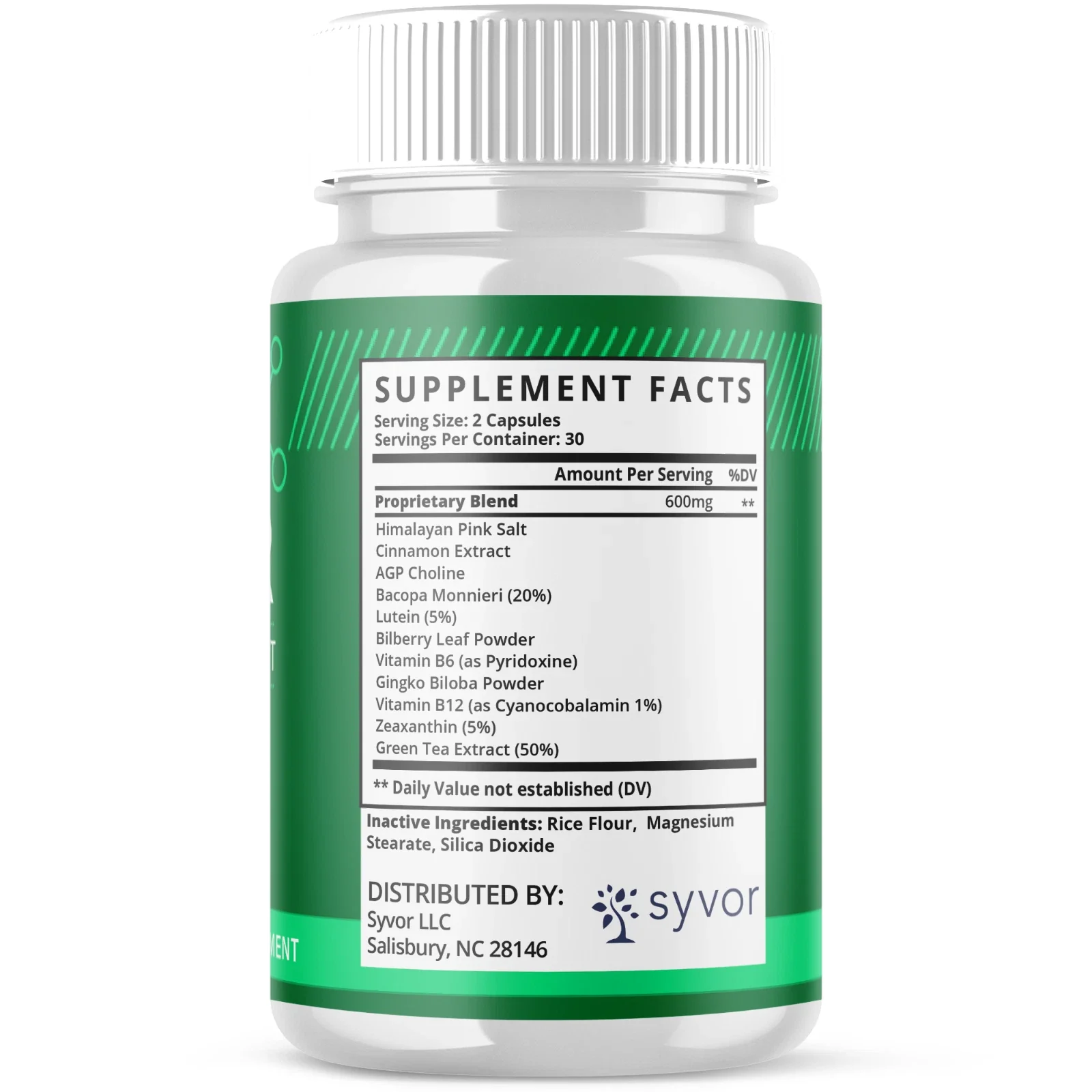
Supplement Facts
The Nerve Savior label, line by line: the 600 mg blend, the most each ingredient can weigh, and what is missing.
Read moreIngredients
All 11 ingredients in label order, with the most each can weigh and how that compares with research.
Read moreUSA Authorized Nerve Savior Retailer
Ready to try Nerve Savior?
Pick how long you want to try it. Two capsules a day, and one bottle lasts 30 days.
- Secure checkout
- 30-day return window
- Ships from the U.S. with tracking