Ingredient 8 of 11
Ginkgo Biloba in Nerve Savior: Dose, Evidence and Bleeding Risk
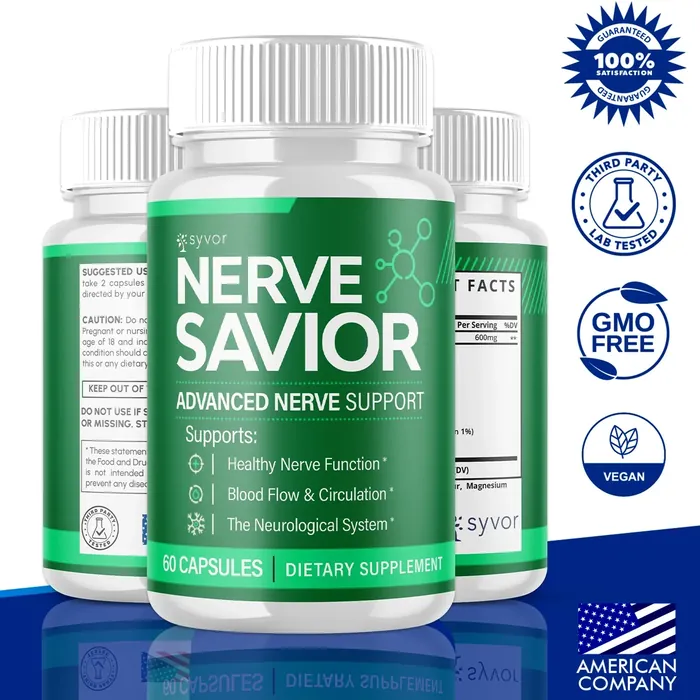
Nerve Savior lists "Gingko Biloba Powder" eighth in its 600 mg blend, so it holds at most 75 mg. Studies used 120 to 240 mg a day of ginkgo extract and found no or modest effects. Ginkgo may raise bleeding risk with warfarin and other blood thinners, so ask your doctor first if you take one.
Written by the Nerve Savior editorial teamUpdated
The basics
What is ginkgo biloba, and why is it in Nerve Savior?
Ginkgo biloba is a tree with fan-shaped leaves. Its leaf is sold as a supplement, mostly for memory and circulation. Nerve Savior's label spells it "Gingko Biloba Powder".
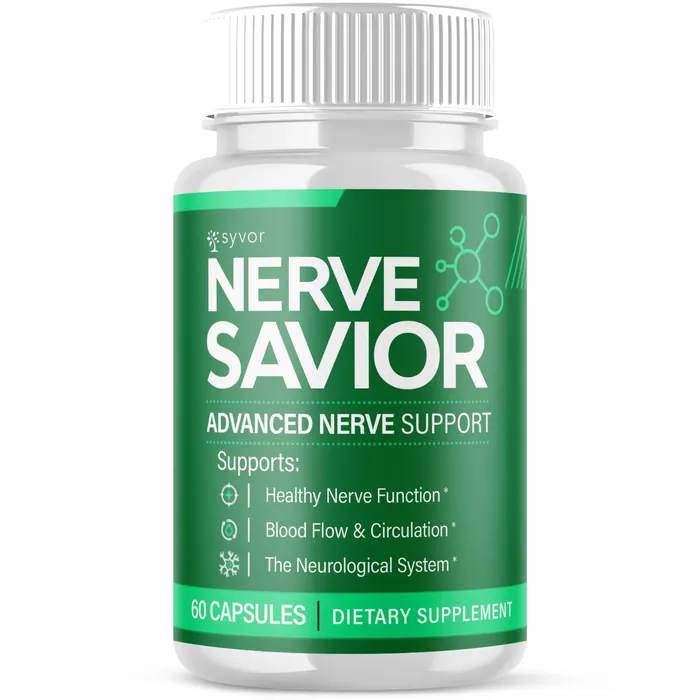
The label claims the product supports blood flow and circulation, and ginkgo is the ingredient most often linked to that idea. Those claims carry the FDA asterisk, which means the FDA has not evaluated them (FDA, Structure/Function Claims). The label does not say what the ginkgo is meant to do on its own.
| Label name | Gingko Biloba Powder |
|---|---|
| What it is | Ginkgo biloba · Tree leaf powder |
| Position in the blend | 8 of 11 (labels list blend ingredients from most to least by weight) |
| Amount per capsule | Not disclosed; at most 75 mg by label math |
| Amount used in research | 120-240 mg of extract a day |
| Strength of evidence | No or modest effect in trials |
| Why it is used | Leaf sold for memory and circulation |
| Main caution | May raise bleeding risk with warfarin or other blood thinners. |
Label math
How much ginkgo is in Nerve Savior?
At most 75 mg, and probably less. Ginkgo is eighth of eleven ingredients in a 600 mg blend. Blend ingredients appear from most to least by weight (FDA, Labeling Guide Ch. IV), so 600 divided by 8 sets the ceiling.
The label also calls it a powder. Most research used a ginkgo leaf extract, a processed material made from the leaf. A milligram of plain leaf powder is not the same as a milligram of extract, and the label gives no strength.
| Item | Nerve Savior | Ginkgo research |
|---|---|---|
| Form | Leaf powder | Leaf extract |
| Daily amount | At most 75 mg (label math) | 120-240 mg a day |
| How it is taken | Once a day, 2 capsules | Split into 2-3 doses |
| Strength printed | Not published | Set by each study |
Research
What did ginkgo studies use, and what did they find?
The large studies used 120 to 240 mg of extract a day and found little. LiverTox, the NIH liver-injury database, says trials showed no or only modest effects for dementia, leg pain from poor circulation (claudication) and tinnitus (LiverTox, Ginkgo).
The GEM study
Over 3,000 adults aged 75 and older took ginkgo or placebo for a median of about 6 years. Ginkgo was no better than placebo at preventing or slowing dementia (NCCIH, Ginkgo).
Leg pain on walking
For claudication, the leg pain caused by narrowed arteries, trials found no or modest effects (LiverTox, Ginkgo).
We found no trial of ginkgo for peripheral neuropathy among the sources we checked. Nor is there a published trial of Nerve Savior itself.
Compare
How does Nerve Savior's ginkgo ceiling compare with research doses?
Even at its ceiling, the ginkgo in Nerve Savior reaches about 63% of the lowest studied dose, and that is powder against extract. The bars put the ginkgo ceiling beside the 120 mg low end, along with four other ingredients.
Since the higher, studied doses showed so little, a smaller amount of plain powder gives little reason to expect more. Read our Nerve Savior Supplement Facts guide for the label math behind every bar.
Interactions
Can I take Nerve Savior if I am on a blood thinner?
Only with your doctor's go-ahead. NCCIH says ginkgo may raise bleeding risk in people taking anticoagulants such as warfarin (NCCIH, Ginkgo). LiverTox notes reports of excess bleeding with antiplatelet and anticoagulant drugs (LiverTox, Ginkgo).
Ask your doctor first if you take warfarin, a newer anticoagulant, or an antiplatelet drug. Tell your surgeon or dentist about every supplement before a procedure, since some raise bleeding risk around surgery (NCCIH, Using Supplements Wisely).
Ginkgo is not the only interaction in the blend. Green tea extract lowers blood levels of nadolol and atorvastatin (NCCIH, Green Tea). Our article on ginkgo and blood thinners covers the drug list in more detail.
Safety
What are ginkgo's side effects, and who should ask a doctor?
The common ones are mild. NCCIH lists dizziness, stomach upset and headache (NCCIH, Ginkgo). LiverTox gives ginkgo a likelihood score of E, meaning liver injury is unlikely (LiverTox, Ginkgo).
Ask your doctor before starting if:
- You take any blood thinner or antiplatelet medicine.
- You have a bleeding disorder or a surgery coming up.
- You are pregnant or nursing, or under 18, as the label's caution says.
- You get dizzy easily or have balance problems. A fall risk is worth discussing.
Balance trouble and numbness in the feet can also be signs of nerve damage from diabetes or low B12 (MedlinePlus, Diabetes & Nerve Damage). Those need a doctor's diagnosis, not a supplement.
Verdict
Our honest verdict on ginkgo in Nerve Savior
Ginkgo is the ingredient that best matches the label's circulation claim, yet its record is weak. Large trials at 120 to 240 mg of extract showed no or modest effects. Nerve Savior holds at most 75 mg of powder, and it brings a bleeding caution with it.
Fair points
- Long studied, with public safety data
- Low liver-injury rating
- Mild common side effects
Weak spots
- At most 75 mg, below studied doses
- Powder, not the studied extract
- Bleeding risk with blood thinners
The next ingredient on the label is vitamin B12. Pick any profile below.
FAQ
Ginkgo in Nerve Savior: common questions
How much ginkgo is in Nerve Savior?
No ginkgo amount is printed. Ginkgo is eighth in a 600 mg blend, so label math caps it at 75 mg per 2-capsule serving. It is a leaf powder, while studies used 120 to 240 mg a day of ginkgo extract.
Is it safe to take ginkgo with warfarin?
Not without your doctor's approval. NCCIH says ginkgo may raise bleeding risk with anticoagulants such as warfarin (NCCIH, Ginkgo). Since Nerve Savior contains ginkgo, people on warfarin or other blood thinners should ask before taking it.
Does ginkgo help neuropathy?
We found no source that supports it. Ginkgo trials looked at dementia, leg pain from narrowed arteries and tinnitus, with no or modest effects (LiverTox, Ginkgo). Numbness or burning in the feet needs a doctor's checkup to find the cause.
Does ginkgo improve blood flow in the legs?
The evidence is weak. LiverTox says ginkgo trials showed no or only modest effects for claudication, the leg pain from narrowed arteries. Nerve Savior's label says it supports blood flow, but the FDA has not evaluated that claim.
What side effects can ginkgo biloba cause?
NCCIH lists dizziness, stomach upset and headache as the common ones (NCCIH, Ginkgo). The bigger concern is bleeding risk in people who take blood thinners. Unusual bruising or bleeding is a reason to stop and call your doctor.
Why does the Nerve Savior label say Gingko?
It appears to be a spelling variant on the label. The plant's standard name is Ginkgo biloba. The ingredient is the same leaf, listed as "Gingko Biloba Powder" in eighth place within the 600 mg blend.
Should I stop ginkgo before surgery?
Ask your surgeon. NCCIH notes that some supplements raise bleeding risk around surgery (NCCIH, Using Supplements Wisely), and ginkgo is linked to bleeding with blood thinners. Tell your care team about Nerve Savior and every other supplement you take before any procedure.
Who wrote this
Written and reviewed by
Plain-language pages built from the bottle label, the order page and linked public health sources such as NIH, FDA and CDC.
Last updated . Read our editorial standards and the way we check reviews. This website is run by a U.S. retailer for Nerve Savior, not by the manufacturer. We get paid when you buy through our order links.
Keep reading
More about Nerve Savior
Ginkgo and blood thinners
What NCCIH and LiverTox say about ginkgo with warfarin, aspirin-type drugs and surgery.
Read more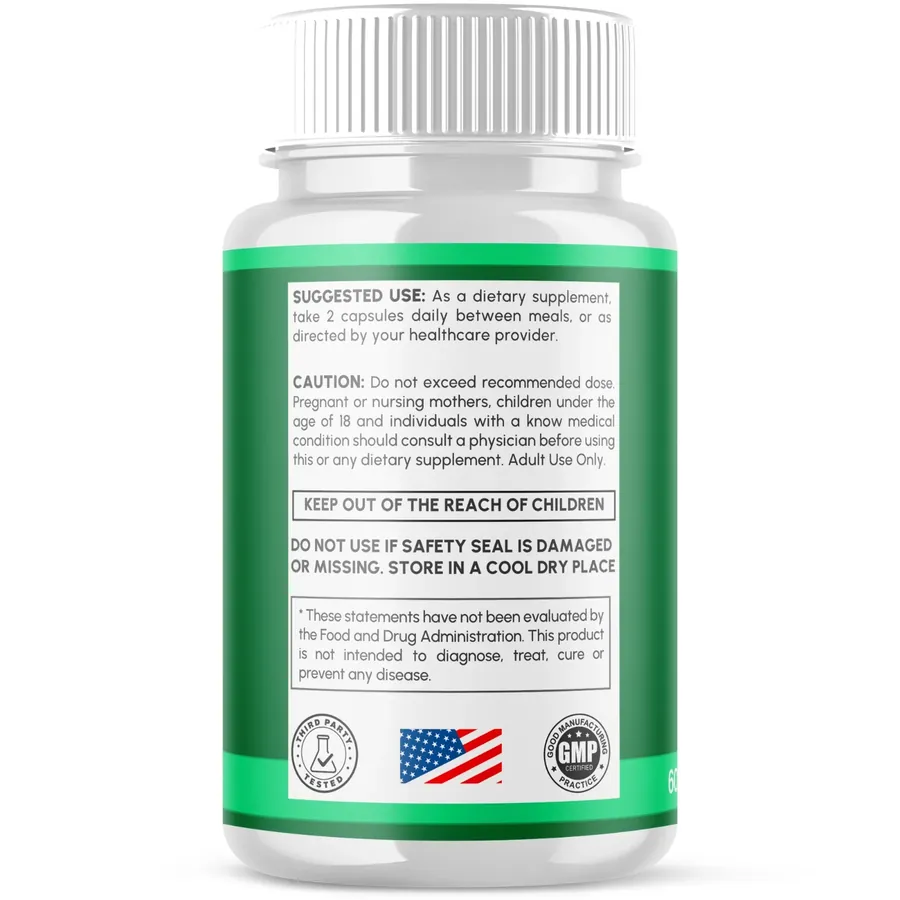
Side effects
Side effects and drug interactions for each Nerve Savior ingredient, plus who should skip it and when to call a doctor.
Read more
Green tea extract
Green tea extract: the smallest ingredient, at most 54.5 mg, with a rare liver risk and two known drug interactions.
Read moreUSA Authorized Nerve Savior Retailer
Ready to try Nerve Savior?
Pick how long you want to try it. Two capsules a day, and one bottle lasts 30 days.
- Secure checkout
- 30-day return window
- Ships from the U.S. with tracking