Guide
Foot Care Guide: A Daily Routine for Numb or Tingling Feet
Check your feet every day, the CDC says, because nerve damage can hide cuts and blisters you cannot feel (CDC, Diabetes & Feet). Wash in lukewarm water, dry between the toes, moisturize tops and soles, wear socks and shoes at all times, and trim nails straight across. Call your doctor promptly for sores, color changes or new loss of feeling. A supplement does not replace any of this.
Written by the Nerve Savior editorial teamUpdated
Why it matters
Why does foot care matter so much when nerves are damaged?
Damaged nerves can stop you from feeling a small cut, blister or burn. A wound you cannot feel can turn into an infection before you notice it.
The CDC says about half of all people with diabetes have some nerve damage, most often in the feet and legs (CDC, Diabetes & Feet). Other causes of numb feet, such as low B12, carry the same risk. Read the nerve health guide for the full list of causes. The fix is simple and cheap: look every day, and act early.
Every day
How do you check your feet every day?
Set aside five minutes at the same time each day, such as before bed. Follow the same order so nothing gets skipped.
Look at both feet
Sit in good light. Check the tops, soles, heels and between every toe for cuts, redness, swelling, blisters, calluses or nail changes. Use a mirror or ask someone to help if you cannot see your soles.
Wash in lukewarm water
Test the water with your elbow or a thermometer, not your feet. Wash gently, do not soak, and pat dry, especially between the toes.
Moisturize, but not between the toes
Rub lotion on the tops and soles to stop cracking. Skip the spaces between the toes, where moisture can lead to infection.
Check shoes and put on clean socks
Run a hand inside each shoe for pebbles or rough seams. Put on clean, dry socks that fit without tight bands.
Move your feet during the day
Put your feet up when you sit and wiggle your toes and move your ankles a few times a day to keep blood flowing.
Write down anything new
Note any change with the date. If something looks wrong or does not heal, call your doctor instead of waiting.
Steps follow the CDC page "Your Feet and Diabetes" (CDC, Diabetes & Feet). They make sense for anyone with numb or tingling feet.
Shoes and socks
What shoes and socks are best for numb feet?
Wear shoes or slippers at all times, even indoors, and always wear socks with them. The CDC says never to go barefoot when you have nerve damage (CDC, Diabetes & Feet).
Fit and protection
Pick closed shoes with room for your toes and a smooth lining. Shop later in the day, when feet are largest. Break in new pairs a few hours at a time, and check for red marks after.
Clean, dry and loose at the top
Change socks every day. Choose seams that lie flat and tops that do not leave a deep groove. Dry socks help keep skin from cracking or growing fungus.
Hot and cold extremes
Do not use heating pads, hot water bottles or space heaters on numb feet. Wear shoes on hot pavement and sand, and warm socks in cold weather.
Sandals and flip-flops outdoors
Open shoes let in stones and leave toes exposed. If you wear them, check your feet closely that night.
Skin and nails
How should you care for skin, nails, corns and calluses?
Keep skin soft but dry between the toes, and trim toenails straight across. Leave corns and calluses to a professional.
- Trim nails straight across after a bath, and file sharp edges with an emery board.
- If you cannot see or reach your feet well, ask a podiatrist to trim your nails.
- Do not cut corns or calluses yourself. The CDC warns that store-bought removers can burn skin.
- Treat athlete's foot early, and ask your doctor what to use.
- Dry, cracked heels need lotion every day, because cracks let germs in.
Checklist
What should a foot care checklist include?
A simple table keeps daily, weekly and yearly tasks in one place. Print it and keep it near where you sit to check your feet.
| Task | How often | What to look for or do |
|---|---|---|
| Look at both feet | Daily | Cuts, blisters, redness, swelling, calluses, nail changes |
| Wash and dry | Daily | Lukewarm water, no soaking, dry between toes |
| Moisturize | Daily | Tops and soles only |
| Check inside shoes | Each time you put them on | Stones, torn lining, rough seams |
| Trim toenails | As needed | Straight across, file edges |
| Feet checked by your doctor | Every primary care visit | Take off shoes and socks so they can look |
| Full foot exam | At least yearly, more often with nerve damage | Feeling and blood flow tests by a foot doctor |
Get help
When should you call a doctor about your feet?
Call promptly for any sore, blister or cut that is not healing, and for new tingling, burning or loss of feeling. The CDC says not to wait for your next appointment (CDC, Diabetes & Feet).
A wound that is red, warm, swollen, smelly or draining, a black or blue toe, or a foot that suddenly changes shape or color. Infections in numb feet can spread fast.
The CDC also lists these as reasons to see a doctor soon:
- Leg pain or cramping when you walk
- Less feeling for touch, heat or cold
- Changes in skin color or temperature, or hair loss on the toes and legs
- Thick, yellow toenails, fungal infections or ingrown nails
- Dry, cracked skin that does not get better
Beyond the feet
What other habits protect feet with nerve damage?
Blood sugar control, not smoking and regular movement protect feet as much as lotion does. The CDC notes that smoking cuts blood flow to the feet.
Low-impact activity such as walking, cycling or swimming keeps blood moving. Ask your doctor which activities are safe if you have lost feeling. If you take metformin or an acid reducer, ask whether a B12 blood test makes sense. Our post on B12, metformin and tingling feet explains why.
Supplements
Can a nerve supplement replace foot care?
No. A supplement does not protect feet from cuts, burns or infection. Daily checks, good shoes and prompt care do that.
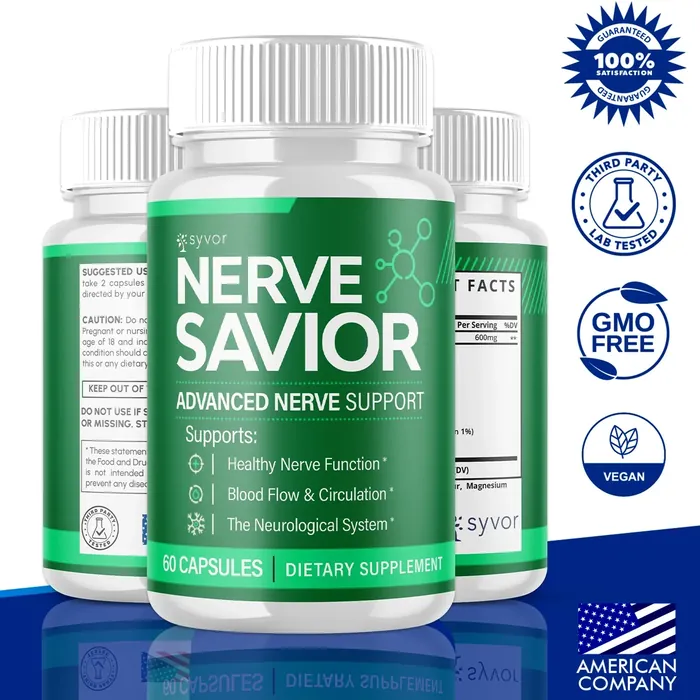
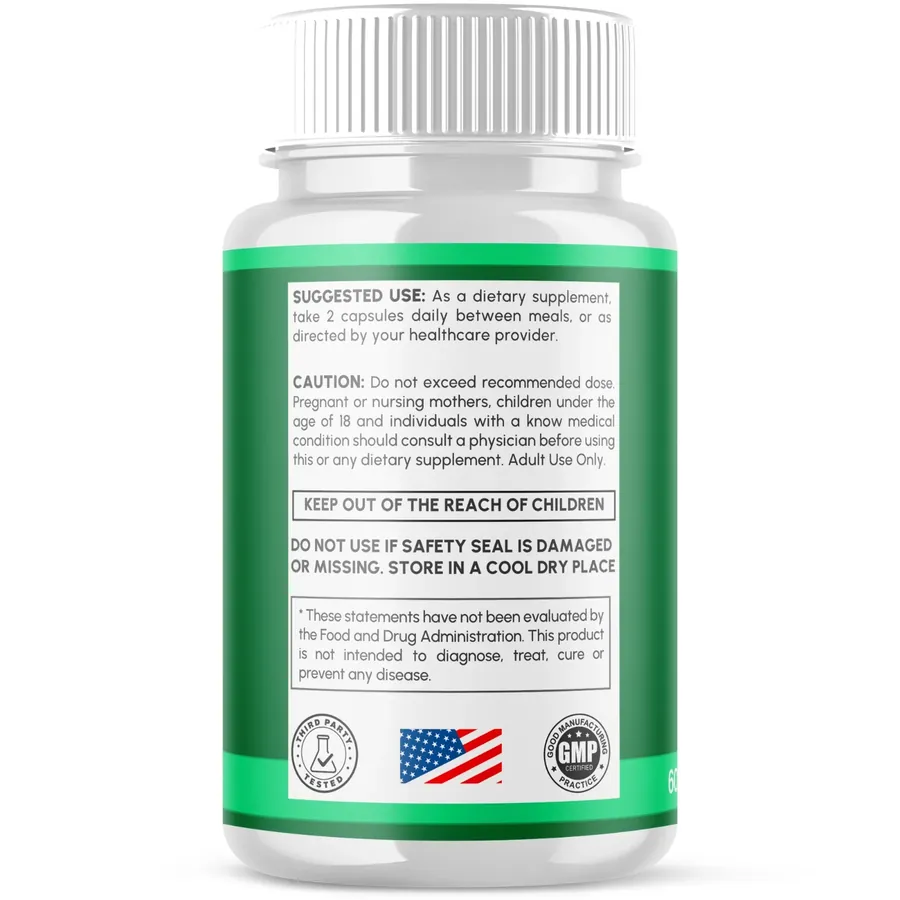
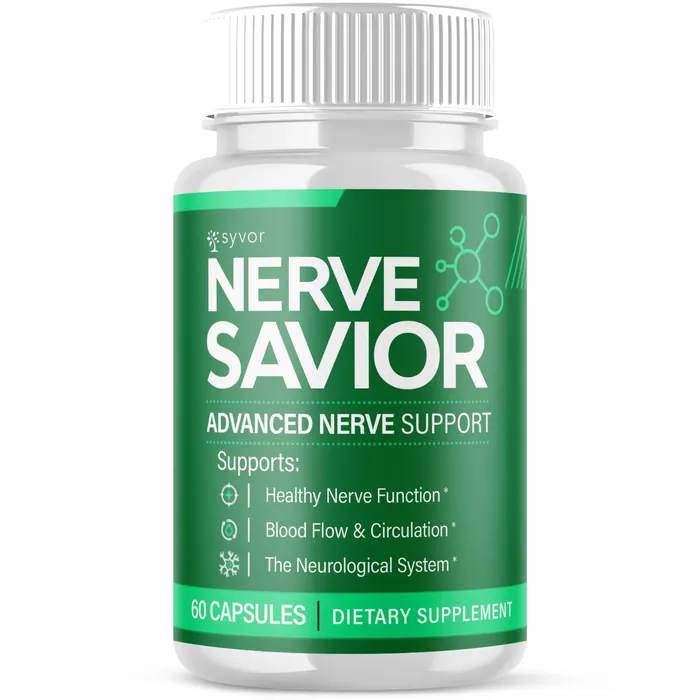
Nerve Savior is a dietary supplement. The label says it supports healthy nerve function, blood flow and circulation, and the neurological system, with the FDA disclaimer attached. It is not a treatment for neuropathy or foot wounds.
If you add it, keep the foot routine exactly the same. Check with your doctor first if you take blood thinners or limit salt; the side effects page lists why.
Recap
What is the short version of a daily foot routine?
Look, wash, dry, moisturize, check shoes, wear socks. Five minutes a day, every day. Call your doctor for anything that is new or not healing.
FAQ
Foot care questions people ask
How often should you check your feet if they are numb?
Check numb feet every day, the CDC says, because you may not feel a cut, blister or burn. Look at the tops, soles, heels and between the toes in good light. Use a mirror or ask someone to help if you cannot see your soles, and call a doctor about anything new.
Should people with neuropathy walk barefoot at home?
No, people with neuropathy should not walk barefoot, even at home. The CDC advises wearing shoes, socks or slippers at all times, because small objects and hot floors can injure skin you cannot feel. Check inside each shoe for stones or rough spots before you put it on.
Can you soak your feet if you have diabetes?
The CDC advises against soaking your feet; wash them daily in lukewarm water and dry them well instead. Test the water with your elbow or a thermometer, since numb feet cannot judge heat. Soaking can dry out skin and lead to cracks that let germs in.
Where should you not put lotion on your feet?
Do not put lotion between your toes. Moisturize the tops and soles to stop dry skin from cracking, but keep the spaces between the toes dry. Extra moisture there can lead to fungal or bacterial infection, which is harder to spot when feet are numb.
How should you cut toenails with neuropathy?
Cut toenails straight across and smooth sharp edges with a file. Trim after bathing, when nails are softer. If you cannot see or reach your feet well, ask a podiatrist to trim them. Do not cut corns or calluses yourself, and avoid store-bought removers.
What foot problems need a doctor right away?
A sore, blister or cut that is not healing, or one that is red, warm, swollen or draining, needs a doctor right away. So do color changes, a sudden change in foot shape, or new loss of feeling. The CDC says not to wait for your next appointment.
Do supplements help with foot care for neuropathy?
Supplements do not replace foot care for neuropathy. Daily checks, proper shoes and prompt treatment of sores protect feet. Nerve Savior is a dietary supplement, not a treatment for neuropathy or foot wounds. Talk to your doctor before adding any supplement, especially if you take medicines.
Who wrote this
Written and reviewed by
Plain-language pages built from the bottle label, the order page and linked public health sources such as NIH, FDA and CDC.
Last updated . Read our editorial standards and the way we check reviews. This website is run by a U.S. retailer for Nerve Savior, not by the manufacturer. We get paid when you buy through our order links.
Keep reading
More about Nerve Savior
Nerve health guide
What nerves do, why feet tingle, which signs need a doctor now, and where a supplement fits.
Read more
B12, metformin and tingling feet
Why metformin and acid reducers can lower B12, what tingling feet may mean, and which test to ask for.
Read moreWho it's for
Who the label allows, who should ask a doctor first, and what people with diabetes should check.
Read moreUSA Authorized Nerve Savior Retailer
Ready to try Nerve Savior?
Pick how long you want to try it. Two capsules a day, and one bottle lasts 30 days.
- Secure checkout
- 30-day return window
- Ships from the U.S. with tracking